
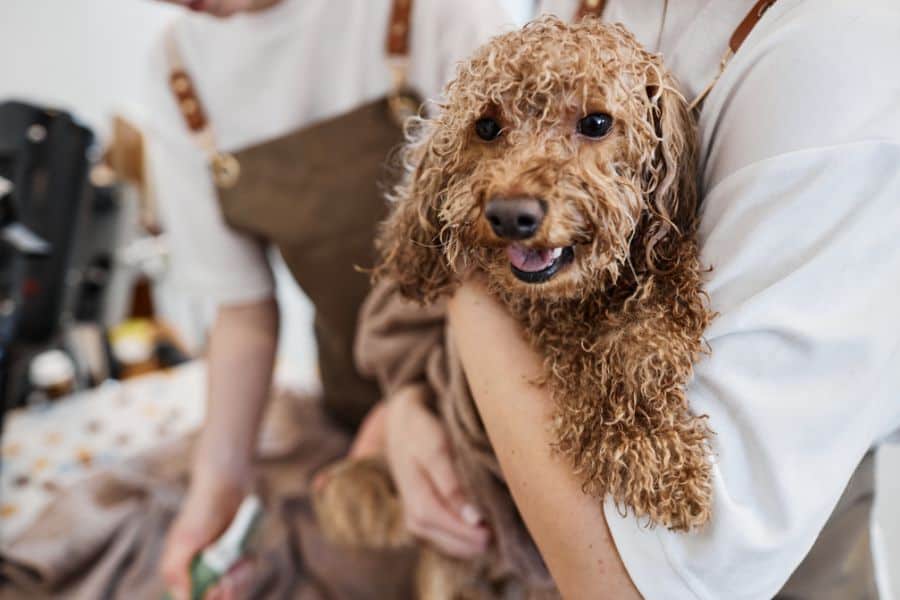
A well-groomed dog displays much more than a clean appearance. Regular dog grooming helps maintain a healthy skin and coat, reduces shedding, prevents painful matting, and gives you the chance to spot health concerns early. Whether you groom your pup at home or visit a professional groomer, understanding the basics of grooming can make a huge difference in your dog’s comfort and overall health and wellness. In this short guide, we’ll cover common at-home grooming mistakes to avoid, brushes for different coat types, nail-trimming tips for nervous pets, and de-shedding tips that actually work.
Why Dog Grooming Matters
Routine dog grooming is essential for your dog’s health and happiness. Brushing removes dirt and loose fur, while bathing helps control odors and excess oils. Nail trims prevent discomfort and mobility issues while walking. Overall, grooming strengthens the bond between you and your dog by creating positive one-on-one time. Many pet owners really underestimate how quickly grooming needs can build up, especially for breeds with thick, curly, or double coats. Staying consistent with grooming can help prevent costly problems later on.
Grooming Mistakes to Avoid at Home
While grooming at home can save money and help your dog feel more comfortable, at-home grooming does cost your time, and there are a few common mistakes owners should avoid to get the most out of the at-home experience while doing the job right.
Using the Wrong Brush
One of the biggest grooming mistakes is using the wrong brush. A brush that doesn’t match your dog’s coat type will have you working hard for undesired results. The wrong brush may not remove loose fur properly and can even irritate your dog’s skin. In general, slicker brushes work best for curly and long-haired breeds. Bristle brushes are ideal for short-haired dogs, and undercoat rakes help remove dense shedding fur from double-coated breeds. Using the proper brush regularly can reduce shedding, improve coat health, and make grooming sessions faster and easier.
Bathing Too Often
Another common grooming mistake is over-bathing your dog. Frequent baths can strip natural oils from the skin, leading to dryness or irritation. Most dogs only need a bath every 4–8 weeks, depending on their breed, lifestyle, and coat type. Be sure to always use a dog-specific shampoo rather than human products, which can disrupt your dog’s natural skin balance and cause irritation. If you’re unsure what shampoo to use, ask your vet or your local pet groomer.
Nail Trimming for Nervous Dogs
Nail trimming can be a stressful process for both dogs and owners, especially if your pet is anxious or sensitive about having their paws touched and has had a negative experience before. However, nail trimming cannot be avoided as overgrown nails can cause pain, posture issues, and difficulty walking. Some helpful nail-trimming tips to keep in mind include starting slow. If your dog is fearful, begin by simply handling their paws daily without trimming and reward their calm behavior with treats and praise. Use positive reinforcement to create a positive experience by pairing nail trims with rewards. Even trimming one or two nails at a time is progress. Be sure to use the right tool for the job, as some dogs tolerate nail grinders better than clippers because they create less pressure on the nail. Be very careful when cutting and avoid cutting too much. Cutting into the quick can cause your dog pain and bleeding, making future trims harder. Trim small amounts gradually if your dog has long nails, and leave a bit of length; better to under-trim than over-trim. Lastly, be sure to stay calm. Dogs can pick up on their owners’ anxiety, so keep your tone and demeanour calm and relaxed.
If your dog becomes extremely stressed despite your best attempts, a professional groomer or veterinarian may be the best option.
De-Shedding Tips That Actually Work
Shedding is completely normal for dogs, but unfortunately, excessive loose fur around the house can feel overwhelming to homeowners. Fortunately, here are some effective ways to manage it: Be sure to brush your dog regularly. It is the most effective way to reduce shedding. Use your de-shedding tools properly. High-quality de-shedding tools can help remove loose undercoat fur before it ends up on your furniture. However, avoid overusing them, as excessive brushing may irritate your dog’s skin. Remember to keep your dog hydrated and well-nourished. A healthy skin and coat start from within. Dogs fed balanced diets rich in omega fatty acids often experience healthier coats and less excessive shedding. Lastly, investing in a professional grooming service can help control the shedding. Professional groomers use specialized tools and techniques that can significantly reduce shedding while keeping your dog comfortable.
Dog Grooming is Essential for Your Dog’s Health
Dog grooming is an important part of responsible pet ownership. By avoiding common at-home grooming mistakes, choosing the best brushes for your dog’s coat type, using gentle nail trimming techniques, and following effective de-shedding tips, you can help your dog stay healthy, comfortable, and looking and feeling their best. Whether you handle grooming at home or rely on professional services, a good grooming routine can make life easier for both you and your furry companion.
For professional pet-sitting services, contact Luv My Sitter.