There are a ton of different diseases that affect our beloved pets. Thyroid disorders are among the most common hormonal conditions seen in both dogs and cats. Since the thyroid gland plays a major role in regulating metabolism, energy levels, and overall body function, even small changes in thyroid hormone levels can have a significant impact on your pet’s overall health. By understanding thyroid disorders, pet owners can act quickly and improve long-term health outcomes for their beloved pets.
What Is the Thyroid?
The thyroid gland is a small, butterfly-shaped gland located in the neck. It produces hormones that regulate metabolism, which is the process by which the body converts food into energy. These hormones affect nearly every organ system in the body, including the heart, digestive tract, skin, and nervous system. When the thyroid produces too little or too much hormone, it creates a condition known as thyroid disease. In pets, there are two main types of thyroid disease: hypothyroidism, which signifies an underactive thyroid gland and is more common in dogs, and hyperthyroidism, which signifies an overactive thyroid gland and is more common in cats.
Hypothyroidism in Dogs
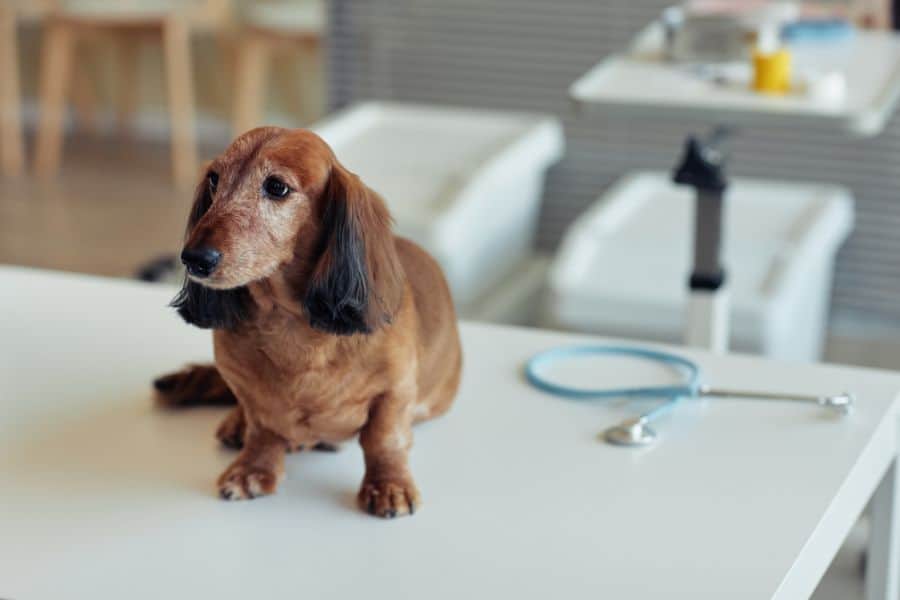
Hypothyroidism occurs when the thyroid gland does not produce enough hormones. It is most commonly seen in middle-aged and older dogs, usually in medium- to large-sized breeds. Some common signs of hypothyroidism include weight gain without increased food intake, lethargy or low energy, an intolerance to cold (seeking warm places), dry, flaky skin, hair loss or thinning coat, especially on the tail (“rat tail” appearance), slowed down heart rate, and recurring skin or ear infections. Since symptoms often develop slowly, they can be mistaken for normal aging, so be sure to take your dog to their regular checkups at the vet.
Hyperthyroidism in Cats
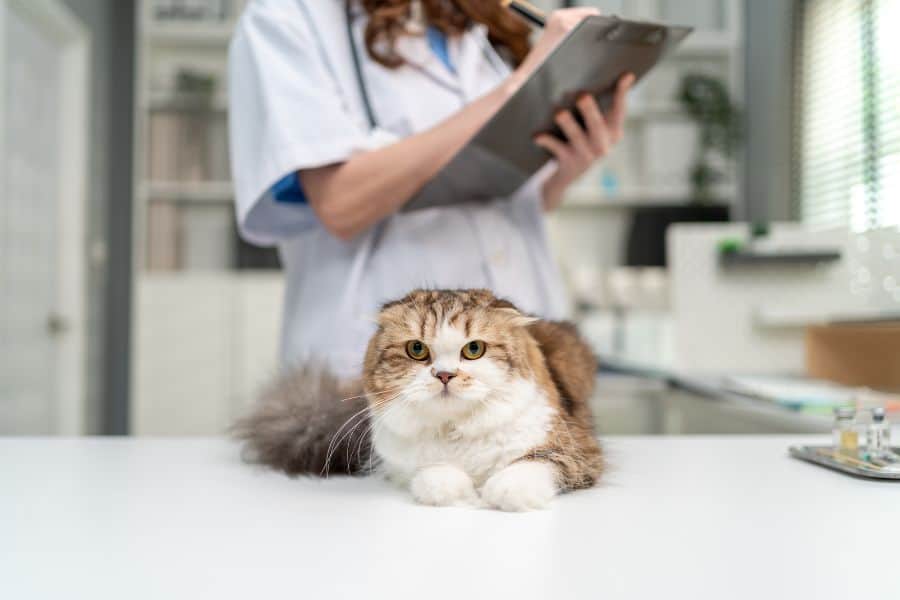
Hyperthyroidism is much more common in cats, particularly senior cats over the age of 10. It occurs when the thyroid produces too much hormone, causing the body to go into overdrive. Some common signs of hyperthyroidism in cats include weight loss despite a good or increased appetite, increased thirst and urination, restlessness or hyperactivity, vomiting or diarrhea, increased vocalization (especially at night), unkempt coat, or a rapid heart rate. If left untreated, hyperthyroidism can lead to serious complications such as heart disease and high blood pressure.
What Causes Thyroid Disease?
The exact cause of thyroid disorders is not always known, but there are several factors that may contribute to the development of thyroid disease. These factors include genetics and breed predisposition, pet age (more common in middle-aged and senior pets), immune system dysfunction (especially in canine hypothyroidism), environmental and dietary factors (still being researched in cats), and tumours of the thyroid gland (more common in feline hyperthyroidism).
Can Thyroid Disease Be Prevented?
Unfortunately, in most cases, thyroid disease cannot be fully prevented. However, there are steps that may support overall health and help with early detection. These steps include having regular veterinary checkups, especially for senior pets. Routine bloodwork to monitor hormone levels before symptoms become severe. Maintaining a healthy weight and a balanced diet. Avoiding unnecessary exposure to unregulated supplements or medications and monitoring changes in behaviour, appetite, or energy levels. Remember, early detection is the most effective prevention strategy for reducing complications.
Diagnosis of Thyroid Disorders
If your veterinarian suspects thyroid disease, they will typically perform blood tests to measure hormone levels. In dogs, this may include a full thyroid panel. In cats, a total T4 test is commonly used to confirm hyperthyroidism. Vets may recommend additional testing to assess heart health, kidney function, and overall systemic effects of the disease.
Treatment Options
Fortunately, thyroid disease is usually very manageable with proper treatment, and many pets go on to live long, comfortable lives. For hypothyroidism in dogs, treatment involves daily thyroid hormone replacement medication. This is typically given as an oral tablet for life. Most dogs respond very well to treatment, with noticeable improvements in energy, coat quality, and overall health within a few weeks. Regular blood testing is required to ensure the dosage remains correct.
For Hyperthyroidism in cats, treatment options vary and can include daily oral medication to control hormone production,radioactive iodine therapy, which can cure the disease in many cases, prescription diet therapy, or surgical removal of the thyroid gland in certain cases. The best option for treatments for cats depends on the cat’s age, overall health, and severity of the disease.
Living With a Thyroid Condition
Thyroid disorders are common, but highly treatable conditions in both dogs and cats. With proper management, most pets with thyroid disease can live happy and active lives. The key is consistency with medication, regular veterinary monitoring, and early recognition of any changes in behaviour or health. Early diagnosis and treatment can make a significant difference in your pet’s long-term health and quality of life.
For your professional pet sitting needs, contact Luv My Sitter!