
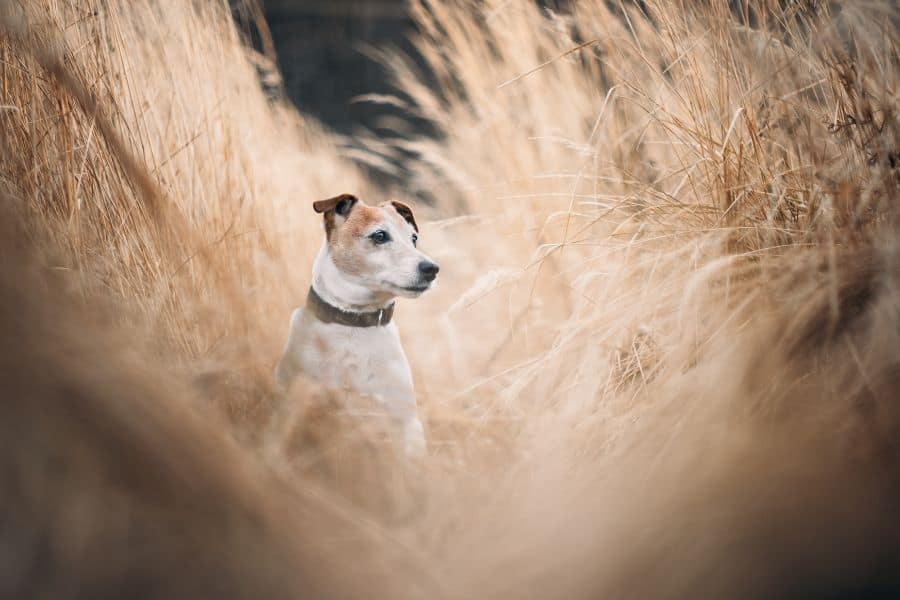
With spring and summer rolling in, many dog owners are feeling keen to spend more time outdoors. Whether it’s hiking trails, visiting parks, or just enjoying the backyard, the warmer seasons bring plenty of opportunities for adventure. However, the outdoors also introduces hidden risks, one of the most overlooked being plants, such as foxtails and burrs. These seemingly harmless plants can pose serious health threats, and knowing the risks can help you protect your pet. Here are some things you should know about the dangers of foxtails and burrs to your dogs.
What Are Foxtails and Burrs?
To know which plants to avoid, you need to recognize what they look like. Foxtails are grass-like plants that produce barbed seed heads, resembling a fox’s tail. They usually are in clusters and can range in height. These plants are found in fields, trails and even in some people’s yards, especially if they’re dry and grassy areas. Burrs can also be found in the same areas, and they look like small, spiky brown balls (seeds) that cling easily to fur, clothing, and skin. They usually grow with bushes or other plants and can be easily missed. While these plants might seem like just a nuisance, their structure makes them dangerous to dogs. These plants or seeds are designed to latch on and burrow into something. Unfortunately, that includes your dog’s body, which can lead to more than just a difficult brushing.
Why Are Foxtails and Burrs So Dangerous?
The primary concern when it comes to the dangers of foxtails and burrs to your dogs is their ability to embed and migrate into their bodies. Unlike splinters, foxtails don’t break down easily and can continue moving forward once they penetrate your dog’s skin. This can lead to painful skin infections, abscesses, internal damage if inhaled or swallowed, or serious complications requiring surgery. For burrs, they are less invasive than foxtails,but they can still cause irritation, matting, and minor wounds that may become infected if left untreated in your dog’s fur.
Common Areas Affected by Foxtails and Burrs
When dogs run through fields or trails, they can brush through foxtails and burrs without noticing. Foxtails and burrs can attach almost anywhere on their bodies, but some areas are especially vulnerable to them. These areas include your dog’s paws and between their toes, where seeds can easily lodge during walks. Your dog’s ears and eyes can also be affected. If the plants affect your dog’s ears, it can lead to head shaking, pain, and infections. Similarly, if the plants affect your dog’s eyes, they may cause redness, swelling, or even injury. Foxtails and burrs can also affect your dog’s nose, skin and coat. Inhaled foxtails can result in sneezing fits, respiratory issues, and skin irritation in long-haired breeds. Because these seeds can travel beneath the skin, the problem may not always be visible right away.
Signs Your Dog May Be Affected by Foxtails or Burrs
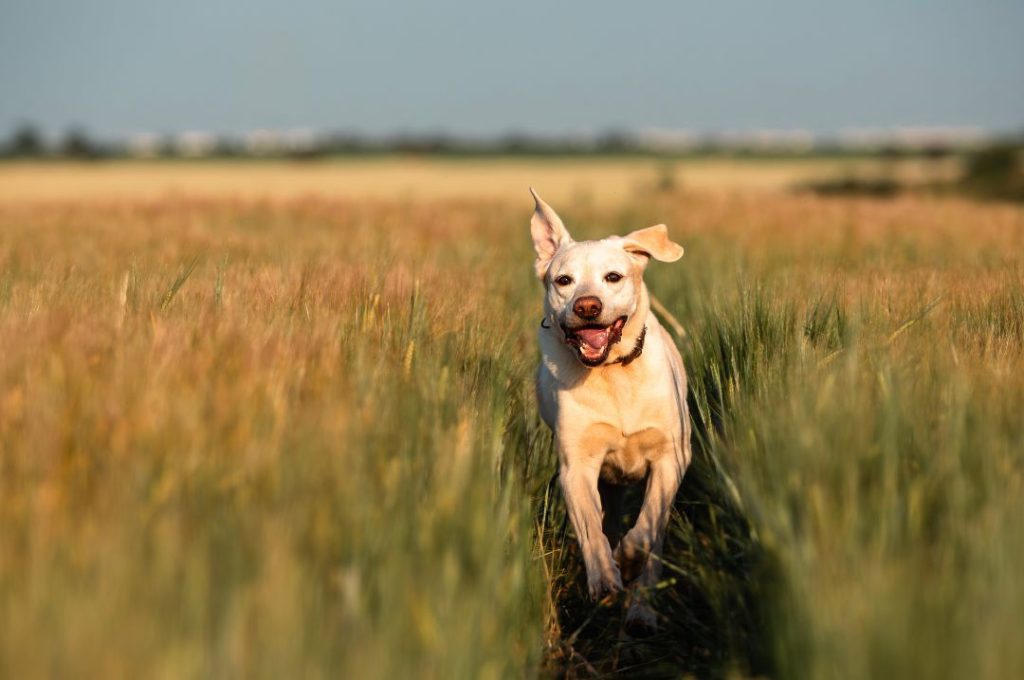
Noticing early symptoms is key to preventing serious complications down the line. If you’ve been hiking or in areas with a lot of greenery, be sure to watch for signs of irritation or discomfort. These signs include: your dog excessively licking or chewing at a specific area, limping or reluctance to walk, head shaking or ear scratching more than usual, sudden sneezing or nasal discharge, any swelling, redness, or visible wounds, and any other signs of pain or discomfort they may display. If you notice any of these symptoms after outdoor activity, it’s important to investigate further and, if necessary, visit a vet as a preventive measure.
How to Protect Your Dog from Foxtails and Burrs
Prevention is always the best defence. Some practical steps you can take to help your dog include avoiding risky areas and sticking to well-maintained paths without tall, dry grass. Be sure to perform routine checks on your dog and their fur. After every walk or outdoor play session, check your dog’s paws (including between toes), ears, underbelly, and coat and tails. For long-haired dogs, keep their fur trimmed. Long hair can trap seeds more easily. Regular grooming reduces the risk of foxtails embedding unnoticed. Lastly, if possible, investing in some protective gear for you and your dog when you love hiking might be beneficial. Dog boots or vests can provide an extra layer of protection, giving you more peace of mind.
What to Do If You Find a Foxtail or Burr on Your Dog?
If you spot a foxtail or burr on your dog’s fur and it hasn’t penetrated the skin, it’s essential that you carefully remove it with your fingers or some tweezers. Be gentle to avoid accidentally pushing it deeper. If the seed appears embedded or your dog shows signs of discomfort, do not attempt to remove the foxtail or burr yourself. At this point, you must seek veterinary care as soon as possible. Early intervention can prevent more serious health issues down the line.
Be Alert and Be Aware
By knowing the dangers of foxtails and burrs to dogs, you can take simple yet effective steps to keep them safe, as outdoor time is essential for your dog’s physical and mental well-being. A quick check after each outing, combined with awareness of high-risk environments, can make all the difference. With the right precautions, you and your dog can continue to enjoy the beauty of the season without the hidden hazards of foxtails and burrs. For your professional pet sitting needs, contact Luv My Sitter today!