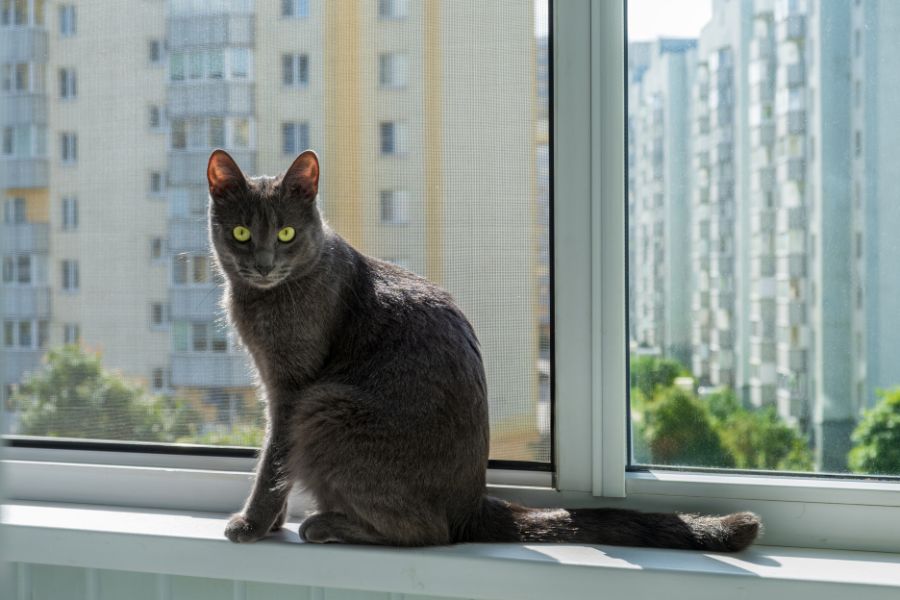
City life offers a lot of excitement. It’s high energy, convenience, community, and endless opportunities for connection for humans and pets alike. Unfortunately, for pets, urban environments can also bring unique challenges. Urban living stress in pets is a growing topic as more animals are raised in apartments, condos, and high-density neighborhoods filled with noise, crowds, limited space, and constant stimulation. With the right awareness and care, pets can thrive in cities. The key is understanding how urban life affects them and creating balance between stimulation and calm.
Space Matters: Matching Environment to Pet Size and Needs
One of the most important factors in urban pet stress is the relationship between living space and pet size. Large, high-energy pets in small apartments may experience frustration, restlessness, and anxiety if their physical and mental needs are not met. At the same time, small pets can also become stressed in confined spaces if they lack enrichment, routine, and safe zones. Remember, it’s not just about square footage, the way the space is used matters too. Pets need: clear movement paths, quiet rest areas, predictable routines, enrichment opportunities, and safe retreat spaces. A well-structured small home can be less stressful than a large chaotic one. Thoughtful layout, calm zones, and routine matter more than size alone.
Environmental Overload in Urban Settings
It’s obvious that cities are rich in sensory input. Traffic sounds, sirens, construction, crowds, street noise, and constant motion can overwhelm pets’ nervous systems. Unlike humans, animals cannot mentally filter stimulation the same way. Urban environments expose pets to things like: loud, unpredictable noise, constant movement, visual overstimulation, vibrations from traffic and transit, and strong smells from garbage, pollution, and chemicals. Over time, this sensory overload can lead to chronic stress, anxiety behaviors, hypervigilance, reactivity, and sleep disturbances.

The Impact of Roommates and Household Activity
The presence of roommates and high household traffic can significantly affect a pet’s stress levels, especially if your roommates are problematic. Multiple people coming and going, different routines, unfamiliar voices, and inconsistent schedules can disrupt a pet’s sense of security. Pets thrive on predictability and routine. In homes with roommates or frequent visitors, animals may struggle with: interrupted rest, territorial stress, noise sensitivity, resource guarding, and overstimulation. By establishing consistent routines, clear boundaries, and designated quiet spaces you can help your pets feel safe even in busy households.
Crowds, Noise, and Urban Chaos
As mentioned, city life includes constant exposure to people, crowds, noise, and garbage accumulation every time you leave your home. Overflowing bins, food waste, strong odors, and polluted areas can be stressful and unsafe for pets. Urban pets often face the challenges of: overcrowded sidewalks, limited green space, loud public transportation, unpredictable encounters, high foot traffic, and unsanitary areas. These factors increase anxiety and reduce a pet’s sense of safety in their environment.
Positive Aspects of Urban Living for Pets
Despite the challenges, urban environments also offer a lot of unique benefits for pets and their owners. Many cities now provide: pet-friendly cafés and patios, dog parks and pet parks, pet-friendly markets, outdoor patios, community events, pet-friendly festivals, training and enrichment classes, urban walking trails and plenty of socialization opportunities. Pet-friendly events and spaces allow animals to socialize safely, build confidence, and engage in healthy stimulation while giving owners opportunities to connect with other pet lovers. These environments can be powerful tools for building positive experiences, confidence, and emotional resilience in pets.
Creating Balance in Urban Pet Life
Urban living doesn’t have to mean urban stress and discomfort. With thoughtful preparation and care, pets can thrive in cities when their needs are respected. Support for a healthy urban living pet include: structured daily routines, calm home environments, noise management, scent control, adequate exercise, mental enrichment, safe socialization, rest zones, and predictable schedules. Balance is the foundation of emotional health and by preparing your pet for a structured routine impacts their health and confidence positively.
Urban Living Can Be Successful
Urban living stress in pets is real, but ultimately, it is manageable when prepared and educated. When pet owners understand how space, noise, crowds, environment, roommates, and city chaos affect their animals, they can create healthier, calmer lives for them. Cities can be overwhelming, but they can also be enriching, social, and supportive environments for pets when approached mindfully. With balance, structure, and intention, pets can not only survive city life, they can thrive in it, building confidence, connection, and a sense of belonging alongside their humans.
For your professional pet sitting needs, contact Luv My Sitter.