
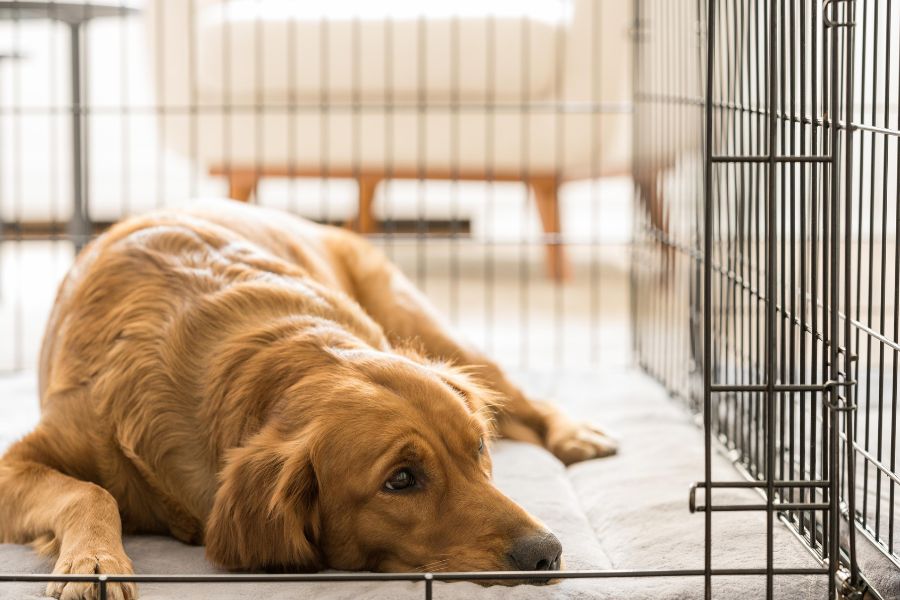
Crate training your dog is one of the best ways to create structure, safety, and emotional security in your dog’s daily life. When done correctly, crate training helps with house training, behaviour management, separation anxiety prevention, and overall obedience training, while also giving your dog a calm, safe space of their own. Crate training tends to have a bad wrap as a cruel practice. While it can be cruel if the crate is ill-fitted and misused, it can be a great space for dogs. Dogs naturally seek enclosed, den-like spaces for comfort and security, and a properly introduced crate becomes a sanctuary, not a punishment. Whether you’re crate training a puppy or an adult dog, the key is patience, positive reinforcement, and consistency. Here are some tips on how to crate train your dog.
Why Crate Training Is Important for Dogs
Crate training provides both physical and emotional benefits for dogs. It creates a structured environment that supports healthy routines while reducing stress-based behaviours. There are tons of benefits to crate training, including helping with house training, reducing destructive chewing and behaviours, improving sleep routines, safer travel and vet visits with smaller dogs, preventing separation anxiety, promoting emotional regulation and calmness, and overall better obedience and structure. Crate training teaches dogs independence, confidence, and self-soothing skills, which are essential for long-term behavioural health.
Choosing the Right Crate for Your Dog
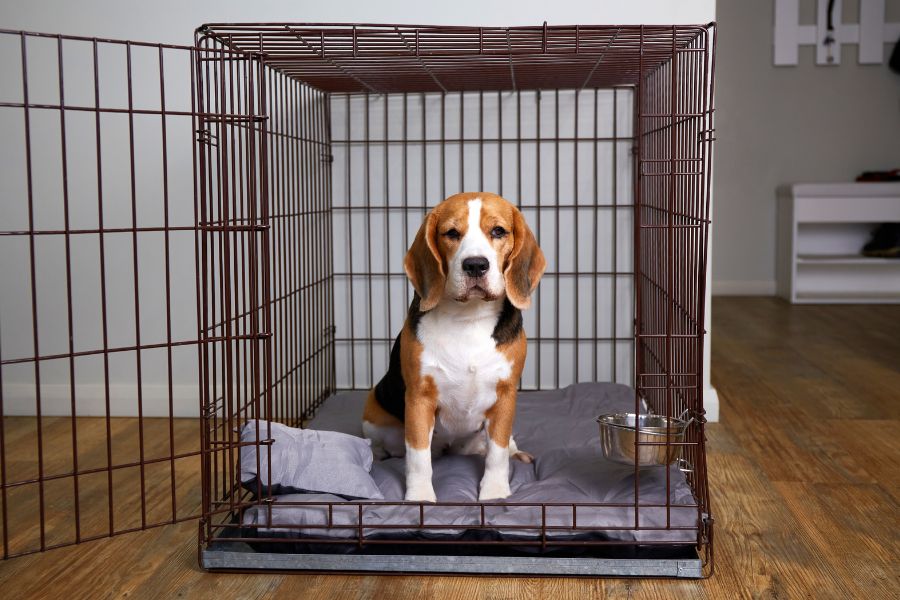
Before you begin crate training, selecting the correct crate is essential. Your dog should be able to stand, turn around, and lie down comfortably without bumping into the crate. There are various types of crates depending on the market. They include wire crates, which offer great airflow and visibility; plastic crates, which are more enclosed and den-like; and soft-sided crates, ideal for calm, trained dogs. When you find the right crate, place it in a quiet yet social area of your home so your dog doesn’t feel isolated. Add soft bedding, a blanket, or a mat to make the space comfortable for them to enjoy.
Crate Training Process
1. Create Positive Associations
It’s essential to start crate training by creating positive associations with the space. Leave the crate door open and allow your dog to explore it freely. Place treats, toys, and food near and inside the crate. It’s essential not to force your dog into the crate; they must build trust in it on their own.
2. Feed Meals in the Crate
Feeding meals in the crate builds a powerful positive association with the crate. Begin with the bowl near the entrance and gradually move it inside. This teaches your dog that the crate equals safety and reward.
3. Introduce Door Closure Gradually
Once your dog enters the crate comfortably, close the door briefly while they eat or chew a treat. Open it before any signs of stress appear. Slowly increase the duration over time, as this helps prevent fear-based crate aversion and builds emotional trust.
4. Increase Crate Time Slowly
Gradually building duration in the crate can be achieved by providing your dogs with enrichment activities. Things like chew toys, lick mats, frozen treats, and puzzle feeders teach your dog that crate time equals calm, enriching time.
5. Practice Short Absences
Once your dog can be in the crate comfortably while you’re in the house, begin leaving the room briefly while your dog is relaxed in the crate. Be sure to return calmly and without excitement to help prevent separation anxiety and build emotional independence. Gradually step out for longer periods of time to see how your dog manages in the crate.
Common Crate Training Mistakes to Avoid
In order for crate training to go smoothly, avoid these common errors that can prevent your success. Do not: use the crate as punishment, force your dog inside, rush the training process, crate your dog for excessive hours, only use the crate when leaving home, and ignore stress signals your dog might be displaying. Crate training is about structure and safety, not confinement. Puppies can be crated for about 2 to 3 hours, young adult dogs for 3 to 4 hours, and adult dogs for up to 6 hours. These are general guidelines to follow, as dogs still need daily exercise, stimulation, training, and social interaction. Remember, crate training should never feel like isolation; it should feel like safety.
Signs Crate Training Is Working
You know your crate training efforts are paying off when your dog enters the crate voluntarily, sleeps calmly inside them, and shows relaxed body language in the crate. If your dog uses the crate without fear and even seeks it for rest, these are signs that your dog is emotionally secure and trusts you and the crate.
Crate Training Builds Confident Dogs
Knowing how to crate train your dog is essential for dog ownership. Crate training isn’t about control; it’s about creating stability, safety, and emotional balance. A properly crate-trained dog feels secure, calm, and confident in their environment.
When introduced gently and positively, crate training improves behaviour, reduces anxiety, supports training goals, and strengthens the bond between you and your dog.
A crate should never feel like a cage; it should feel as safe as the rest of the home.
For your professional pet care needs, contact Luv My Sitter.