
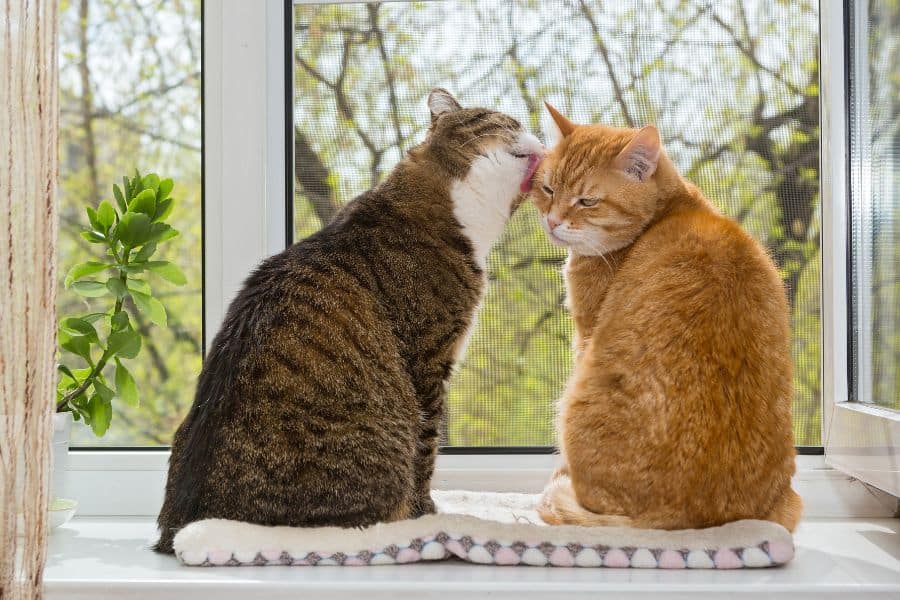
Socializing your cat is an essential part of helping them feel safe, comfortable, and happy in their environment. Unlike dogs, cats are often seen as independent and less social animals, but this doesn’t mean they don’t benefit from socialization. Whether you’ve adopted a kitten or a shy adult cat, proper socialization can make a world of difference in their behavior and overall quality of life. Here’s a step-by-step guide on how to socialize your cat.
Start Early (If Possible)
Kittens are naturally curious and open to new experiences, especially during the critical socialization window between 2 and 7 weeks of age. During this period, kittens are more receptive to new people, environments, and situations. Be sure to expose your kitten to different experiences gently and positively. Introduce them to people to allow them to interact with a variety of individuals, including adults and children, to help them feel comfortable around humans. Handle your kitten regularly, touch their paws, ears, and tail to get them accustomed to being touched. This can make future grooming and vet visits much easier. Don’t forget to introduce them to various sounds and objects. Gradually expose them to everyday household sounds, like the vacuum cleaner, doorbell, or television, so they aren’t startled later. If you’re working with an adult cat, don’t worry—it’s never too late to start socialization. Older cats may take longer, but with patience, they can also become well-adjusted companions.
Create a Safe and Comfortable Space
Cats are territorial animals, and having a safe space to retreat to is critical for their confidence. Set up a quiet area where your cat can feel secure, especially when they’re new to your home or being introduced to new experiences. This space should include a cozy bed or hiding spot, food and water bowls, a litter box placed in a quiet area and some toys and scratching posts. Avoid forcing your cat out of their safe space. Let them explore at their own pace, gradually venturing into other areas of the home as they feel more comfortable.
Introduce New People Slowly
Cats are naturally cautious around strangers, so it’s important to introduce new people in a way that doesn’t overwhelm them. If you have guests over, start by having visitors sit quietly in the room, avoiding direct eye contact with the cat. Encourage guests to speak softly and let the cat approach on their own terms. You can also use toys or treats as incentives to create positive associations with new people. Remember to never force interactions. Allow your cat to dictate the pace, which helps build their confidence.
Use Positive Reinforcement
Rewarding good behavior is key to effective socialization. Cats respond well to positive reinforcement in various forms. You can offer small treats to reward your cat when they explore a new space, interact with people, or stay calm in a new situation. Cats also recognize praise, using a soft, cheerful voice to praise your cat for good behavior. Lastly, an interactive playtime with toys like feather wands or laser pointers can help create positive associations with new experiences. Be sure to avoid punishment or scolding, as this can lead to fear and mistrust, making socialization more difficult.
Gradually Introduce Other Pets
If you’re introducing your cat to another pet, patience is essential. Cats are territorial and may feel threatened by a new animal. When introducing a new pet, start with scent swapping and exchange bedding or toys between pets to familiarize them with each other’s scent. When introducing them, have the pets in separate rooms or areas. Keep the new cat in a separate room while they acclimate to their environment and the existing pet adjusts to their scent. Once their curiosity has peaked, introduce your pets in brief, supervised interactions. Use a baby gate or keep them on opposite sides of the room to ensure safety. Be sure to monitor behavior and reward calm and positive behavior from both pets, and separate them if tensions rise. Remember, introducing pets takes time, so don’t rush the process.

Expose Them to Enrichment Activities
Socialization isn’t just about people and pets—it’s also about building your cat’s confidence and keeping them mentally stimulated. Be sure to have interactive play with your cats. Engage your cat with toys that mimic prey, such as feather wands or motorized mice. Puzzle toys are also great enrichment activities that challenge your cat’s mind and can help alleviate boredom. If you have the room, create an elevated space by a window to provide your cat with mental stimulation. Cats love to climb and perch, so providing cat trees or shelves gives them a sense of security and control. These activities help reduce anxiety and encourage positive exploration of their surroundings.
Recognize and Respect Their Limits
Each cat is unique, and some may take longer to socialize than others. While some cats are naturally outgoing, others are more reserved and may never become fully comfortable in certain situations. Pay attention to your cat’s body language. Signs of stress, such as flattened ears, dilated pupils, or a flicking tail, indicate they need a break. Allow your cat to retreat to their safe space when they feel overwhelmed and remember to celebrate small victories, like coming out of hiding or sitting calmly near a new person, even if progress seems slow. Remember, patience and consistency are key.
Consistency and Patience is Key
Knowing how to socialize your cat can greatly benefit you and your cat’s life. Socializing your cat is a gradual process that requires patience, understanding, and positive reinforcement. By creating a safe environment, introducing new experiences slowly, and respecting your cat’s individual pace, you can help them become a confident and well-adjusted member of your family. Remember, every small step forward is a win, and the effort you put into socializing your cat will strengthen your bond and lead to a happier, more fulfilling relationship for both of you.For your feline pet sitting needs, be sure to contact Luv My Sitter!