The season for treats is coming for both humans and pets. Unfortunately, weight gain for pets can cause significant health issues. Rewarding pets without treats can be a highly effective way to reinforce positive behavior, build a strong bond, and support a pet’s well-being, especially when a pet has dietary restrictions or is prone to weight gain. Using alternative rewards enriches a pet’s life and keeps training sessions fresh, motivating, and engaging. Here are some alternative methods of rewarding pets that don’t rely on treats.
Dedicate Time for Quality Playtime
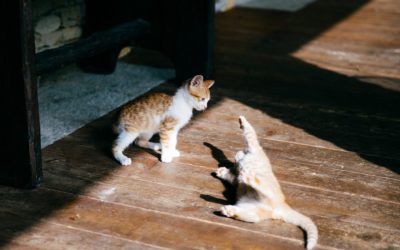
For many pets, playtime is just as rewarding as treats. Engaging your pet in a fun game, like fetch or tug-of-war, can stimulate their mind and body, creating an ideal opportunity for positive reinforcement. Mix up the types of games you play to keep your dogs interested. For cats, try interactive toys like feather wands or laser pointers, which activate their hunting instincts. Changing toys from time to time can make playtime more exciting, creating a new experience each time. These games work well as rewards, allowing them to engage in activities they naturally love while associating these moments with good behavior.
Give Tons of Physical Affection
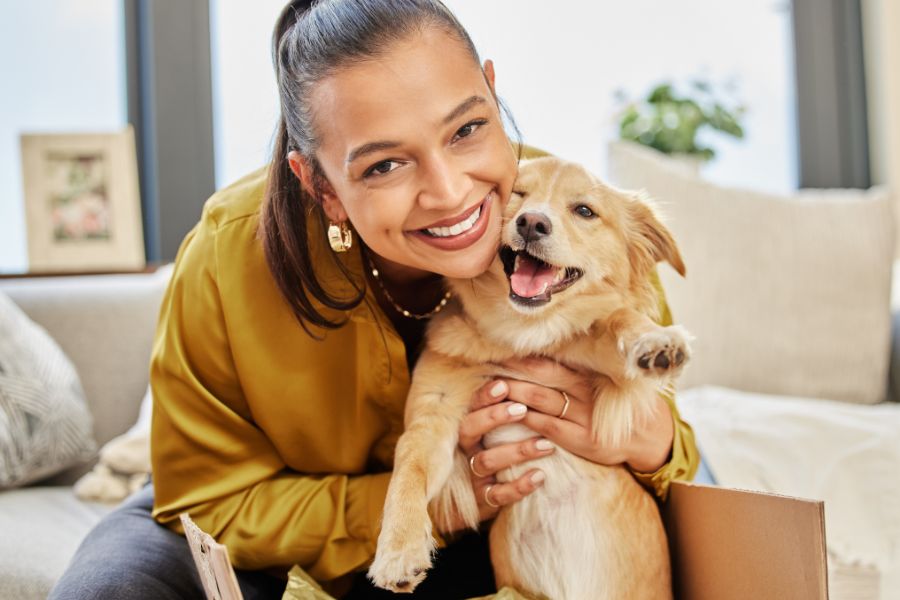
Physical touch is a powerful form of reward for pets that enjoy it, especially dogs and some cats. Observing and knowing your pet’s body language is crucial. Tail wagging, relaxed posture, or leaning into your touch are all signs that your pet appreciates the interaction. Petting, gentle massages, and even grooming can help pets feel appreciated and secure. If your pet responds well to touch, use it as a reward by offering a brief petting or grooming session or gentle rubs when they follow a command or exhibit good behavior. Be mindful of each pet’s preferences, as some animals may not enjoy being petted or touched excessively.
Give Verbal Praise
The tone of voice plays a significant role in how pets interpret praise. Animals can often distinguish between a happy tone and a neutral or negative one. For many pets, enthusiastic verbal praise in an upbeat voice can be an excellent substitute for a treat. Phrases like “Good job!” paired with a happy tone can communicate that they’ve done something right, especially when consistently paired with rewards like play or affection. Over time, your pets will learn to associate certain words and tones with positive outcomes.
Environmental Enrichment
It can be rewarding to give pets access to something they find enriching, like a new toy, a comfortable spot in the sun, or a puzzle feeder (even without food). For instance, dogs might enjoy sniffing and exploring a new area during a walk, which can be a reward after good behavior on a leash. Cats often enjoy new vantage points or hiding spots, which can be created by placing boxes, scratching posts, or climbing shelves around the home. Enrichment provides pets with mental stimulation through exploration and activity, satisfying their natural curiosities.
Freedom and Autonomy
Sometimes, a simple reward gives a pet the freedom to choose. For instance, dogs often appreciate the chance to decide which direction to walk or to linger at a particular spot during a walk as a reward for good leash behavior. Cats might enjoy the freedom to safely explore different areas of the house or yard. By giving them control in a structured way, you offer a reward that’s often much more satisfying than a treat. Respecting your pet’s autonomy can be empowering for pets, helping them build confidence in their environment and a stronger bond with you.
Training as Reward
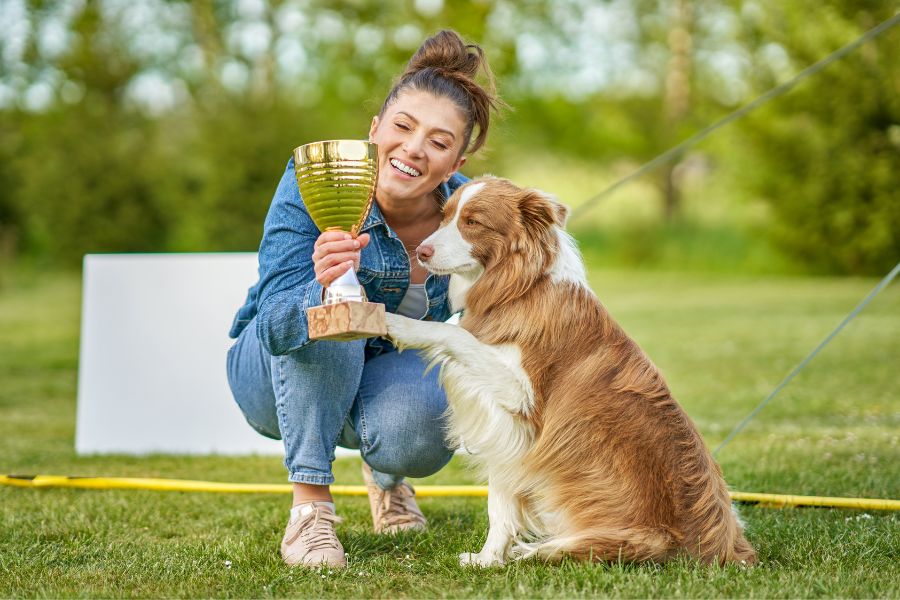
Training can be enjoyable and rewarding for many pets, specifically working breed dogs. Interactive training sessions offer mental stimulation and bonding time, both positive experiences for pets. Short sessions with simple commands can serve as a reward if a pet enjoys the interaction and challenge of learning. By keeping training fun and light, pets begin to see training time as meaningful bonding and something exciting to look forward to.
A Healthier Alternative to Treats
Rewarding pets without treats can be just as effective, if not more so, than using treats alone. These alternative methods deepen your bond with your pet, provide mental and physical stimulation, and keep training engaging. The key to success is understanding your pet’s preferences and observing what motivates them. Whether through play, affection, praise, or autonomy, there are plenty of creative ways to show your pet they’re doing a great job without relying solely on treats.
Remember to contact Luv My Sitter for all your pet care needs this holiday season.